
Roman concrete gets stronger in seawater, ours doesn't
Roman concrete gets stronger in seawater, modern concrete crumbles.
Reviewed by the CurioVault curator · 8 October 2026 · Last updated 26 September 2026 · Editorial standards
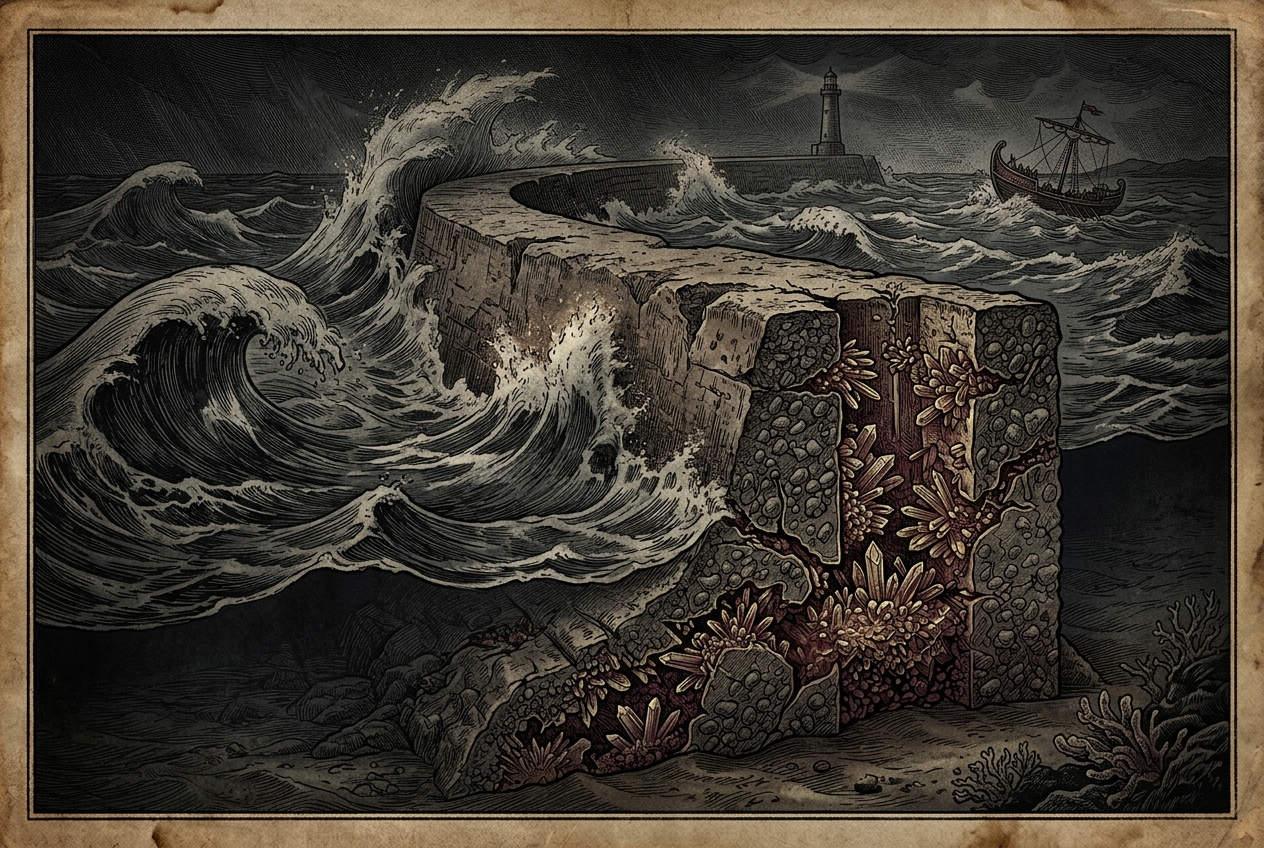
Roman concrete gets stronger in seawater, modern concrete crumbles. Ancient Romans mixed volcanic ash, lime, and seawater, creating a reaction that forms rare minerals Al-tobermorite and phillipsite over time. University of Utah analysis of 2,000-year-old breakwaters at Pozzuoli showed the concrete still hardening. Our Portland cement needs steel reinforcement and fails in 50 years in salt. Roman harbors are still intact. Scientists at MIT and Berkeley are now copying the recipe to make greener, longer-lasting concrete that actually heals cracks by growing new crystals when exposed to water.
Sources & Further Reading
Connected Curiosities

Army Ants Build Living Bridges
Army ants build living bridges out of their own bodies to save the colony time.

Cleopatra lived closer to the iPhone than the pyramids
Cleopatra lived closer in time to the iPhone than to the pyramids' construction.
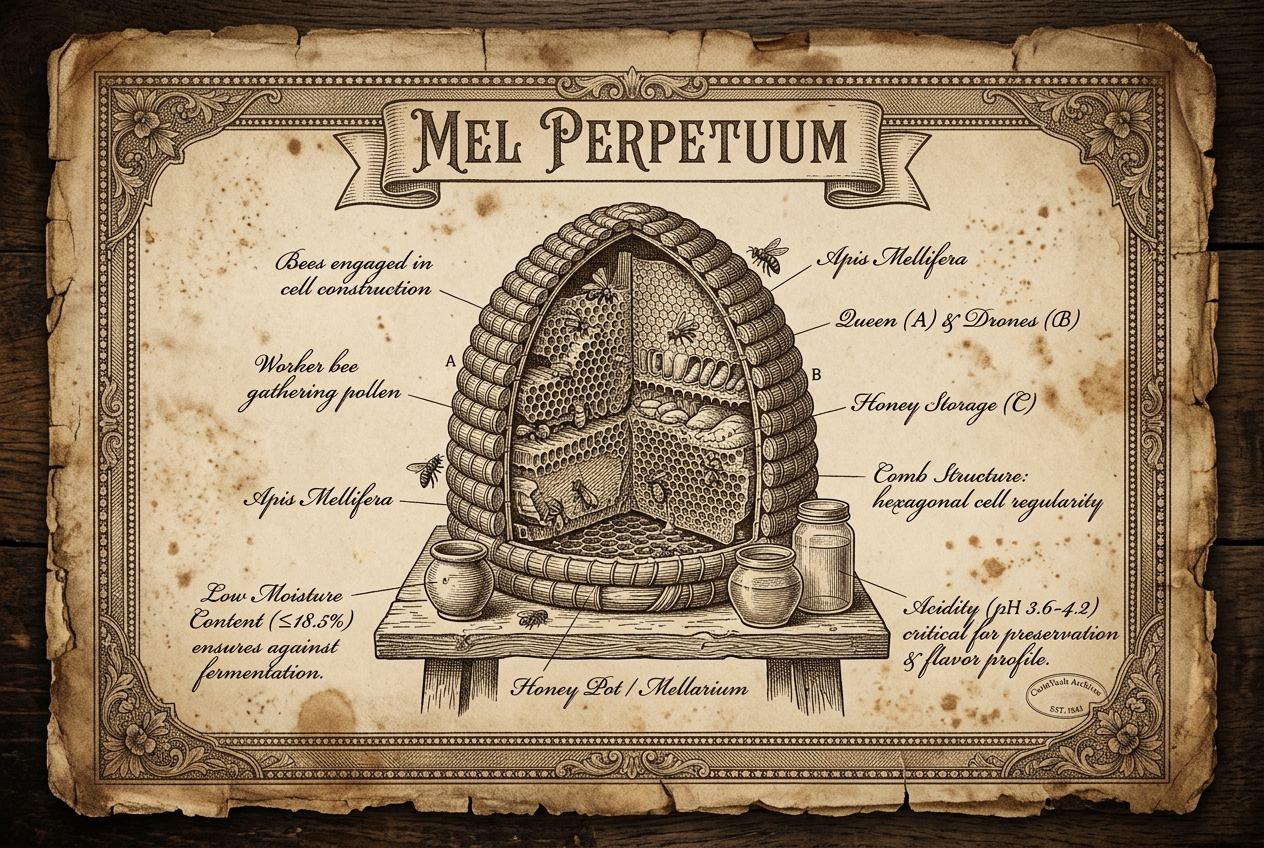
Honey never spoils because bees engineer it to last
Honey found in Egyptian tombs was still edible after 3,000 years because bees engineer it to never spoil.
This curio is written in original words for CurioVault. Facts themselves are not copyrightable, but our wording is. If you reuse, please credit CurioVault.co.